Picking Elderly Care: Assisted Living, Independent Living, or Nursing Home-- What's Right for Your Loved One?
Business Name: BeeHive Homes of Bosque Farms
Address: 1935 Bosque Farms Blvd, Bosque Farms, NM 87068
Phone: (505) 357-0505
BeeHive Homes of Bosque Farms
Beehive Homes of Bosque Farms assisted living care is ideal for those who value their independence but require help with some of the activities of daily living. Residents enjoy 24-hour support and caring assistance, private rooms and home-cooked meals. Assisted living should feel like home. Welcome home!
1935 Bosque Farms Blvd, Bosque Farms, NM 87068
Business Hours
Choosing the right kind of elderly care for somebody you enjoy is one of those decisions that feels both urgent and frustrating. Households often require guidance when a crisis has already struck: a parent falls, forgets to switch off the stove, or wanders from home for the first time. Other times the change is slower and quieter - unopened mail, weight loss, or mounting loneliness.
The alternatives on paper sound simple: independent living, assisted living, or a nursing home. In truth, the lines blur, marketing terms puzzle, and every neighborhood appears to insist it can fulfill "all levels of care." The fact is more nuanced. Each option has strengths, limitations, and covert compromises that matter greatly to lifestyle and to your family's finances and stress.
This guide strolls through how these settings really work, the useful differences, and how to match them to your loved one's requirements, personality, and household circumstance. It draws on what actually occurs after move-in, not just assisted living what sales brochures promise.
Starting with the best question
Most families begin with, "Which is better: assisted living, independent living, or a nursing home?" A more useful question is, "What does my loved one need assist with, and what are we attempting to secure?"
For almost every elder, the goals fall under a handful of pails: security, health, dignity, social connection, and financial expediency. The best senior care strategy is the one that balances those aspects for this particular person, in this particular season of life.
Instead of chasing after a label, start by observing where life is breaking down. That will point you toward the best level of care more reliably than any brochure.
Independent living: When daily life is still mainly intact
Independent living communities are often called "senior apartment or condos" or "retirement communities." They are created for older grownups who can handle the majority of their day-to-day activities on their own but want benefit, social life, and less home responsibilities.
In practice, independent living works best when an individual:
- Safely handles medications, toileting, and fundamental hygiene without hands-on help.
- Walks independently or with a cane/rollator, even if slowly.
- Cooks simple meals or can reliably get to dining options.
- Can browse an emergency situation plan: utilizing a phone, pulling an alert cord, or calling for help.
These communities typically supply meals in a shared dining room, housekeeping, upkeep, planned activities, and transportation to regional shopping or consultations. They are not licensed to offer hands-on personal care in a lot of states. That means if your father needs assistance getting in and out of the shower, or your mother requires someone to monitor medications directly, the neighborhood may permit a private home care assistant to come in, but its own staff are not obligated to supply that care.
Families sometimes pick independent living as a "bridge" when the elder is resistant to the concept of assisted living. "It's simply a house with a good dining room and activities" can be more palatable than "center." That can be a great action, but it brings a danger: if health requires grow rapidly, you may face a second disruptive relocation sooner than you would like.
Independent living tends to be more budget friendly than assisted living or nursing homes, especially when comparing personal pay expenses. But that lower expense shows the lighter level of support. For a relatively healthy, social senior who is tired of preserving a home however does not require hands-on care, it can be an excellent fit.
One thing to view: sneaking care requirements. I have seen seniors in independent living who are clearly beyond the level of safety the setting can support, kept there by love and worry of change. If staff start hinting about "issues," take those discussions seriously. It normally implies they see falls, confusion, or self-neglect that you do not see on short visits.
Assisted living: Assistance with the essentials of everyday life
Assisted living sits in between independent living and nursing homes. It is developed for older grownups who are mainly medically steady however need assist with daily jobs like bathing, dressing, toileting, or managing medications.
In a typical assisted living community, staff help locals with:
- Personal care: bathing, dressing, grooming, toileting, incontinence care.
- Medication management: reminders, giving, keeping track of side effects.
- Mobility: transfers from bed to chair, escorts to meals or activities.
- Meals and housekeeping: three meals daily, laundry, room cleaning.
The environment often feels more residential than medical: personal or semi-private apartment or condos, typical lounges, a beauty parlor, activity rooms. Medical equipment and alarms are normally discreet. For lots of households, this strikes the sweet area between safety and quality of life.
However, "assisted living" is a broad label. 2 neighborhoods with the very same name can differ sharply. Some are essentially independent living with light support. Others have more robust care, consisting of personnel trained to handle intricate dementia behaviors. Each state sets its own licensing rules, and specific operators choose how far they will go before needing a move to a greater level of care.
The financial structure likewise matters. Assisted living is primarily personal pay in lots of regions. Long-term care insurance coverage may assist if the policy criteria are met, however Medicare normally does not spend for room and board in assisted living. Supplemental services, like in-house physical therapy or on-site medical care, might be billed separately.
From a quality-of-life viewpoint, assisted living often provides the wealthiest social environment. There are organized activities, getaways, and spontaneous hallway discussions. For someone who has been separated in your home, that social material can be as healing as any medication.
I often motivate families to look beyond the care plan on paper and watch how personnel engage in hallways. Do they understand locals' names and small information about them, or do they hurry past? Are residents sitting alone in wheelchairs by the nurses' station, or are they engaged in activity rooms or typical locations? These observations state more about everyday elderly care than any shiny flyer.
Nursing homes: When medical and nursing requires dominate
Nursing homes, or experienced nursing facilities, are suitable for seniors who require 24-hour nursing guidance, complex medical management, or rehabilitation after a medical facility stay. The clinical environment is more noticeable here: nursing stations, more medical equipment, and frequent visits from therapists or physicians.
A nursing home may be the ideal choice when a person:
- Has regular or unforeseeable medical crises, like unsteady blood sugar level or persistent infections.
- Needs skilled nursing jobs everyday: complex injury care, IV medications, tube feedings.
- Cannot relocation or transfer safely without 2 people or mechanical lifts.
- Has advanced dementia with habits that posture a safety threat in less monitored settings.
Families often withstand the concept of a nursing home since they associate it only with long-term, end-of-life positioning. In truth, many admissions are for short-term rehabilitation after surgery, stroke, or a significant disease. The objective can be to return home or to a lower level of care once strength and function improve.
Compared to assisted living, nursing homes usually have more personnel with scientific training, greater state oversight, and more comprehensive care planning requirements. They likewise tend to feel more institutional, which can be tough emotionally. Shared rooms prevail. Privacy and personal control are limited by medical routines and security rules. For some elders that compromise is acceptable due to the fact that their priority has actually shifted strongly towards medical stability.
From a financial point of view, this is the care setting most intertwined with insurance coverage. Medicare might cover a restricted period of proficient nursing following a qualifying healthcare facility stay. Medicaid frequently becomes the long-lasting payer when individual funds are tired, but eligibility guidelines are strict and differ by state. Planning here gain from early assessment with a social worker or elder law attorney.
Where respite care fits into the picture
Respite care is short-term take care of an elder, usually in a center or often through intensive at home services, that gives family caregivers a short-lived break. It can take place in assisted living, nursing homes, or dedicated respite programs.
I have seen respite care save both seniors and households. A child who has actually slept on her mother's sofa for two years after a stroke, getting up numerous times each night. A partner taking care of a partner with dementia, on call 24 hours a day. Caregiver burnout typically slips up, then crashes unexpectedly, causing hurried long-term placement after a healthcare facility admission.
Using respite care does two things at the same time. Initially, it offers the caregiver time to rest, take care of their own health, or merely breathe. Second, it provides a low-commitment trial of a care setting. Households frequently discover that the elder enjoys the stimulation of other people and activities more than anyone expected.
Many assisted living and nursing homes offer stays ranging from a few days to a number of weeks. Some have actually provided apartment or condos particularly for this function. Expenses are typically charged at a daily rate and are generally private pay unless linked to a particular insurance-covered service.
If you are battling with the idea of "putting Mom in a home," framing it as respite can lower the emotional weight. It is not a permanent choice. It is a period of structured support that can notify your next steps.
Matching requirements to settings: looking previous labels
Labels like "independent living" or "assisted living" are less valuable than a clear take a look at what your loved one can and can not do, and what is more than likely to alter over the next year or two.
A brief list can clarify whether you are more detailed to independent living, assisted living, or nursing home care:
- Can they dependably take medications on schedule without tips or confusion?
- Are they steady enough on their feet to get to the bathroom securely at night?
- Have there been any recent falls, vehicle mishaps, or close calls with the range, doors, or wandering?
- Are individual health, laundry, and home jobs being done without prompting?
- How much are you, as family or friends, completing the gaps day to day?
If you discover yourself silently remedying or covering for a great deal of issues - cleaning up after incontinence episodes, pre-filling tablet boxes, doing all the cooking and shopping, continuously contacting us to sign in - then your loved one's functioning is already lower than it might appear casually. That leans the choice towards assisted living or, in more complex cases, a nursing home.

Cognitive status is another crucial axis. Somebody with early mild amnesia who accepts triggers and follows regimens may succeed in independent or assisted living with medication support. Somebody with advancing dementia who withstands assistance, wanders, or becomes upset in unfamiliar circumstances frequently needs a memory care assisted living or, eventually, a skilled nursing environment with safe units and constant staffing.
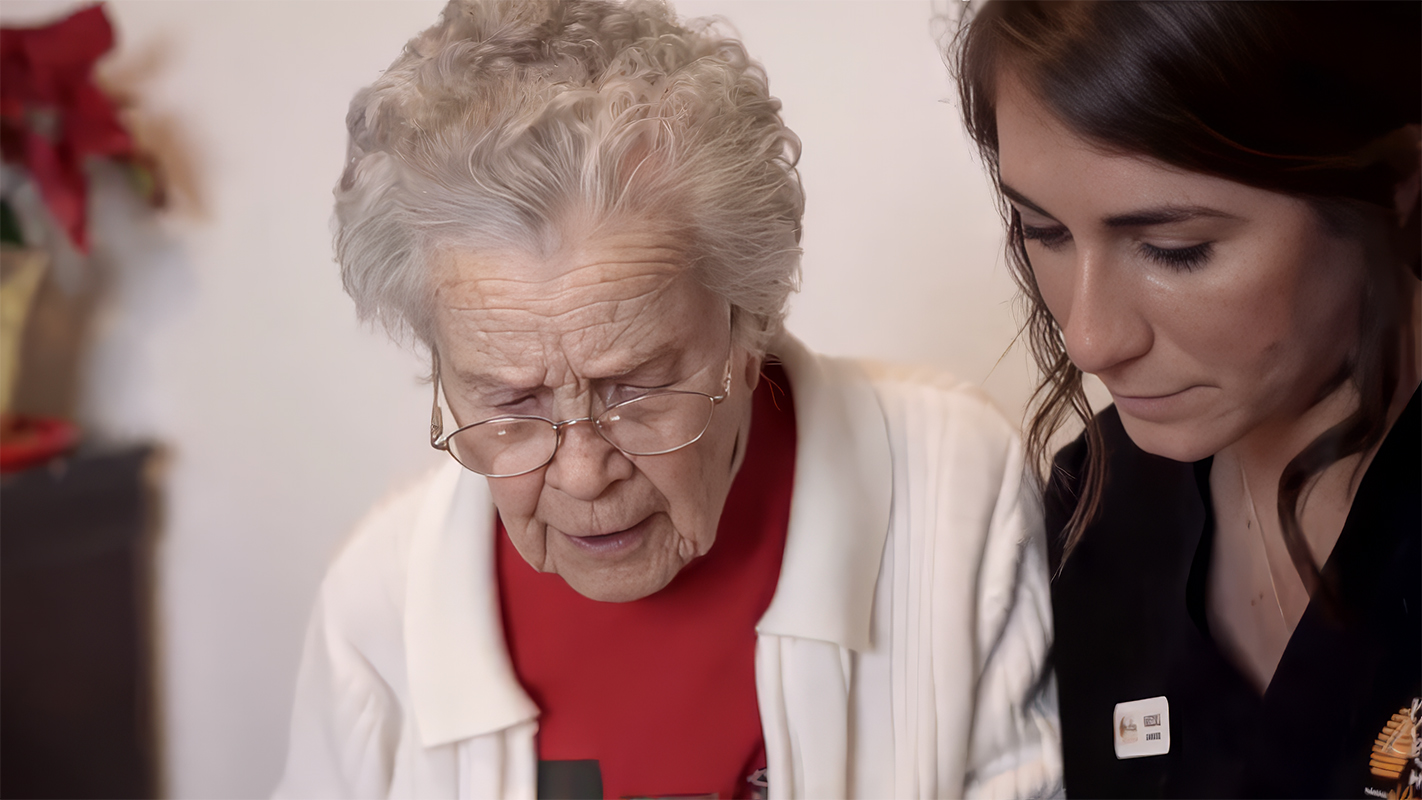
Personality, choices, and household dynamics
Two senior citizens with identical medical profiles may prosper in totally different settings because of character, history, and values.
The highly independent, private person who always lived alone may have a difficult time adjusting to a shared nursing home space but might settle comfortably into a small assisted living with a studio house. The extrovert who liked neighborhood occasions and church groups might struggle in isolated home care however grow in a busy assisted living with activities throughout the day.
Ask yourself a couple of concerns that surpass medical requirements:
- How has your loved one dealt with modification historically?
- Do they draw energy from being around others, or do they need significant peaceful time?
- How do they react to rules and routines? Some facilities have strict schedules that can feel confining.
- What cultural, religious, or linguistic elements matter to their sense of home and identity?
Family capability likewise matters immensely. A big, nearby household going to share caregiving can extend the time somebody safely stays in your home or in independent living with additional assistance. A single adult child living throughout the country, juggling work and kids, deals with various limits.
I have seen households tire themselves to postpone a relocation by a couple of months, at the expense of their own health and jobs. When caretakers collapse, the elder frequently winds up in a higher level of care than may have been needed with earlier planning. Being honest about what your household can sustain is not selfish; it becomes part of responsible senior care.
Costs, agreements, and the fine print
Financial truths shape choices whether we like it or not. The variety of expenses differs by region, but the structure tends to follow similar patterns.
Independent living often has a base regular monthly rent that covers the home, energies, some meals, housekeeping, and activities. Additional services, like transportation outside set up routes or extra meals, might be included costs. Since there is little or no individual care included, independent living is normally the least expensive facility-based alternative, but that can alter if you require to generate a lot of home care.
Assisted living normally charges a month-to-month base rate plus a care level fee. The base rate covers room, board, and fundamental services. The care fee is tied to the number and type of jobs staff perform daily, such as bathing support or medication administration. As requirements increase, the care level - and the monthly expense - frequently rises. Some neighborhoods provide extensive pricing, however those rates are higher upfront.
Nursing homes have an intricate mix of payers. Short-term rehab days may be partially or totally covered by Medicare or other insurance if specific criteria are met. Long-lasting custodial stays are typically private pay up until possessions reach Medicaid eligibility limits. Medicaid reimbursement rates are normally lower than private pay rates, and some facilities restrict the proportion of Medicaid beds they accept, which can affect your positioning options.
When comparing neighborhoods, do not stop at the base price. Ask particular concerns about:
- How they examine and re-assess care levels.
- What sets off a rate increase.
- Whether they can continue looking after residents who end up being bedbound, develop dementia habits, or need two-person transfers.
- Their policy on homeowners who exhaust funds and need to shift to Medicaid.
The goal is to understand not just whether your loved one can pay for to relocate, however whether they can afford to remain when their needs undoubtedly change.
Quality signs that matter more than décor
Touring centers can be deceptive. Fresh paint and attractive furniture are enjoyable however not reliable markers of excellent elderly care. What matters more occurs in small, easily missed exchanges.
Pay attention to whether personnel knock before getting in spaces, talk to homeowners respectfully, and listen instead of hurrying. View how they manage a confused or upset resident. Do they fix and scold, or reroute gently and reassure?
Look at locals' look. Are individuals worn their own clothing, groomed, and using tidy, well-fitted garments, or do you see lots of in health center gowns or mismatched, noticeably soiled outfits?
Ask current households, if you have an opportunity, about responsiveness. Do calls get returned? Are issues attended to, or do relative feel they need to continuously press to get standard information?
Review state inspection reports, however analyze them thoughtfully. One citation does not automatically signal bad care; a pattern of severe, repetitive concerns is more concerning.
Finally, trust your gut. If you leave a building with a sense of relief that your tour is over, explore why. It might be something as basic as design or lighting, however it may likewise be your intuition picking up on understaffing, tension, or resident distress.
Using respite and trial stays to decrease the danger of regret
You do not have to get this decision perfect in one leap. In fact, a phased approach can lower both emotional and practical risk.
Some families utilize in-home respite care initially, bringing in expert caretakers for a few hours a day or a couple of days a week. This uses immediate relief and lets the elder get used to non-family caregivers. If that goes well, a short-term respite stay in an assisted living or nursing home can follow, under the clear frame of "a short-lived stay so I can rest, get surgery, or visit grandchildren."
During a respite stay, focus on how your loved one does. Do they consume better with the structure of communal meals? Do they interact socially or retreat? How is their state of mind when you visit versus at home? Sometimes functional gains are apparent: fewer falls, better nutrition, enhanced sleep. Other times you might see a boost in confusion or anxiety in the brand-new environment, which is essential data too.
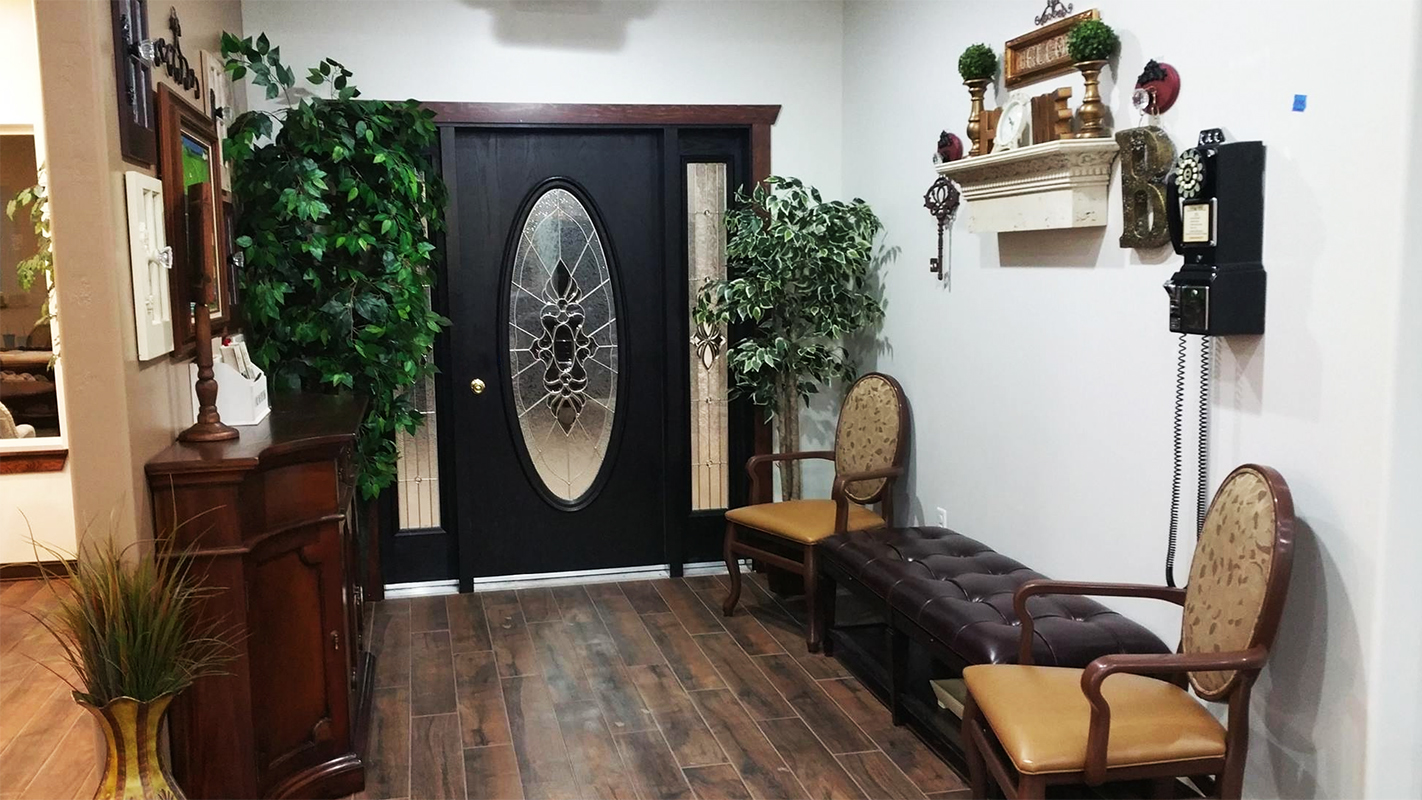
Many centers are more transparent and versatile when they understand the preliminary stay is time-limited. It can likewise soften family conflict, given that you are not discussing a long-term move however experimenting with a specific duration of care.
When requires change faster than you planned
Even with cautious preparation, health can shift over night. A stroke, fracture, or abrupt delirium from infection can overthrow the best thought-out plans. When that takes place, decisions might be made from a hospital discharge organizer's workplace rather than your living room.
If you find yourself in that position, try to anchor your decisions in what you currently know about your loved one's worths. Would they focus on preventing duplicated hospitalizations, even if it means living in a more medical setting? Would they accept particular risks, like more falls, to prevent a nursing home for as long as possible?
Ask medical facility staff blunt concerns about prognosis and function: "What will Dad realistically be able to do on his own after this? What sort of assistance will he need to be safe?" Then map those needs to the care settings available, acknowledging that often the first placement is a bridge, not completion of the road.
Families typically feel they have failed their senior citizens when a move to greater care becomes necessary. That feeling is common, but misplaced. The need for more assistance is a marker of disease development and aging, not a mark against your love or effort. Your task is to keep matching care to needs as honestly and compassionately as you can.
Putting it all together
Independent living, assisted living, nursing homes, and respite care are tools. None are best. Each carries advantages and concerns for the elder and the family.
Independent living makes good sense when your loved one is primarily self-sufficient however socially isolated or tired of home maintenance. Assisted living fits when personal care and medication assistance are required daily, however the person is fairly clinically steady and values a homelike environment. Nursing home care is appropriate when nursing needs, medical complexity, or severe cognitive decrease need day-and-night clinical oversight. Respite care can weave through any of these, offering short, restorative breaks and low-risk trials of new settings.
The most successful decisions I have actually seen share three traits. Initially, the family took some time to reasonably evaluate everyday function and risks rather than focus only on medical diagnoses. Second, they matched settings not just to medical needs however to character, values, and financial resources. Third, they stayed versatile, utilizing respite care and trial durations when possible, and changing strategies as health changed.
If you recognize that your loved one's present scenario is no longer safe or sustainable, you are already doing the tough, loving work of senior care. The next action is not about discovering a perfect center, however about picking the setting that best supports their security, self-respect, and connection, while likewise honoring the limits and needs of individuals who enjoy them.
BeeHive Homes of Bosque Farms provides assisted living care
BeeHive Homes of Bosque Farms provides memory care services
BeeHive Homes of Bosque Farms provides respite care services
BeeHive Homes of Bosque Farms supports assistance with bathing and grooming
BeeHive Homes of Bosque Farms offers private bedrooms with private bathrooms
BeeHive Homes of Bosque Farms provides medication monitoring and documentation
BeeHive Homes of Bosque Farms serves dietitian-approved meals
BeeHive Homes of Bosque Farms provides housekeeping services
BeeHive Homes of Bosque Farms provides laundry services
BeeHive Homes of Bosque Farms offers community dining and social engagement activities
BeeHive Homes of Bosque Farms features life enrichment activities
BeeHive Homes of Bosque Farms supports personal care assistance during meals and daily routines
BeeHive Homes of Bosque Farms promotes frequent physical and mental exercise opportunities
BeeHive Homes of Bosque Farms provides a home-like residential environment
BeeHive Homes of Bosque Farms creates customized care plans as residents’ needs change
BeeHive Homes of Bosque Farms assesses individual resident care needs
BeeHive Homes of Bosque Farms accepts private pay and long-term care insurance
BeeHive Homes of Bosque Farms assists qualified veterans with Aid and Attendance benefits
BeeHive Homes of Bosque Farms encourages meaningful resident-to-staff relationships
BeeHive Homes of Bosque Farms delivers compassionate, attentive senior care focused on dignity and comfort
BeeHive Homes of Bosque Farms has a phone number of (505) 357-0505
BeeHive Homes of Bosque Farms has an address of 1935 Bosque Farms Blvd, Bosque Farms, NM 87068
BeeHive Homes of Bosque Farms has a website https://beehivehomes.com/locations/bosque-farms/
BeeHive Homes of Bosque Farms has Google Maps listing https://maps.app.goo.gl/VeA8p86Gp4TSGBN7A
BeeHive Homes of Bosque Farms has Facebook page https://www.facebook.com/BeehiveHomesBosqueFarms
BeeHive Homes of Bosque Farms won Top Assisted Living Homes 2025
BeeHive Homes of Bosque Farms earned Best Customer Service Award 2024
BeeHive Homes of Bosque Farms placed 1st for New Mexico Senior Living Communities 2025
People Also Ask about BeeHive Homes of Bosque Farms
What is the monthly room rate at BeeHive Homes of Bosque Farms?
Monthly room rates are based on each resident’s individual care needs. Before move-in, we complete an initial evaluation to better understand the level of support, assistance, and daily care that may be needed. This helps us provide a clear monthly rate that reflects the resident’s personalized care plan. We believe families deserve honest conversations and transparent pricing, with no hidden costs or surprise fees.
Can residents stay at BeeHive Homes of Bosque Farms through the end of life?
In many cases, yes. Our goal is to help residents remain in the comfort of a familiar, homelike setting for as long as their needs can be safely and appropriately met. There may be exceptions if a resident requires a higher level of skilled nursing care, ongoing medical treatment beyond assisted living services, or if safety concerns arise. When those moments come, we work with families, physicians, and care partners to help guide the next step with compassion and clarity.
Does BeeHive Homes of Bosque Farms have a nurse on staff?
BeeHive Homes of Bosque Farms does not have a full-time nurse living on-site, but we do have access to a consulting nurse. If a resident needs additional nursing services, a physician may order home health services to come directly into the home. This allows residents to receive supportive care in a comfortable residential environment while still having access to outside clinical services when appropriate.
What are the visiting hours at BeeHive Homes of Bosque Farms?
We welcome family visits and understand how important it is for residents to stay connected with the people they love. Visiting hours are flexible and are adjusted around the needs of each resident and family. We simply ask that visits be respectful of residents’ routines, rest, meals, and the peaceful rhythm of the home — not too early, not too late, and always centered on what is best for the resident.
Are couples’ rooms available at BeeHive Homes of Bosque Farms?
Yes, BeeHive Homes of Bosque Farms may have rooms designed to accommodate couples, depending on availability. For many couples, staying together while receiving the right level of assisted living support can bring comfort, familiarity, and peace of mind. We encourage families to ask about current room options, availability, and how care plans can be personalized for each spouse.
What makes BeeHive Homes of Bosque Farms different from larger assisted living facilities near Albuquerque?
BeeHive Homes of Bosque Farms offers care in a smaller, residential-style setting rather than a large institutional facility. Nestled in the quiet village of Bosque Farms, just south of Albuquerque, our homes are designed to feel personal, peaceful, and familiar. Residents receive support with daily needs in a setting where caregivers can truly get to know their routines, preferences, and personalities. For families looking for assisted living near Albuquerque with a more intimate, homelike feel, BeeHive Homes of Bosque Farms offers a comforting alternative.
Is BeeHive Homes of Bosque Farms a good option for families in Los Lunas, Peralta, Belen, and Albuquerque?
Yes. BeeHive Homes of Bosque Farms is conveniently located in Valencia County and serves families throughout Bosque Farms, Los Lunas, Peralta, Belen, and the greater Albuquerque area. Its location on Bosque Farms Boulevard offers families a peaceful village setting while still being close enough for regular visits, appointments, and family involvement. For many families, that balance of quiet surroundings and nearby access makes BeeHive Homes of Bosque Farms a natural choice for assisted living and memory care.
Where is BeeHive Homes of Bosque Farms located?
BeeHive Homes of Bosque Farms is conveniently located at 1935 Bosque Farms Blvd, Bosque Farms, NM 87068. You can easily find directions on Google Maps or call at (505) 357-0505 Monday through Sunday 9:00am to 5:00pm
How can I contact BeeHive Homes of Bosque Farms?
You can contact BeeHive Homes of Bosque Farms by phone at: (505) 357-0505, visit their website at https://beehivehomes.com/locations/bosque-farms/ or connect on social media via Facebook
Conveniently located near Beehive Homes of Bosque Farms Starlight Cinema a great movie theater with full food & drink menu. Catch a movie and enjoy some great food while you wait.